
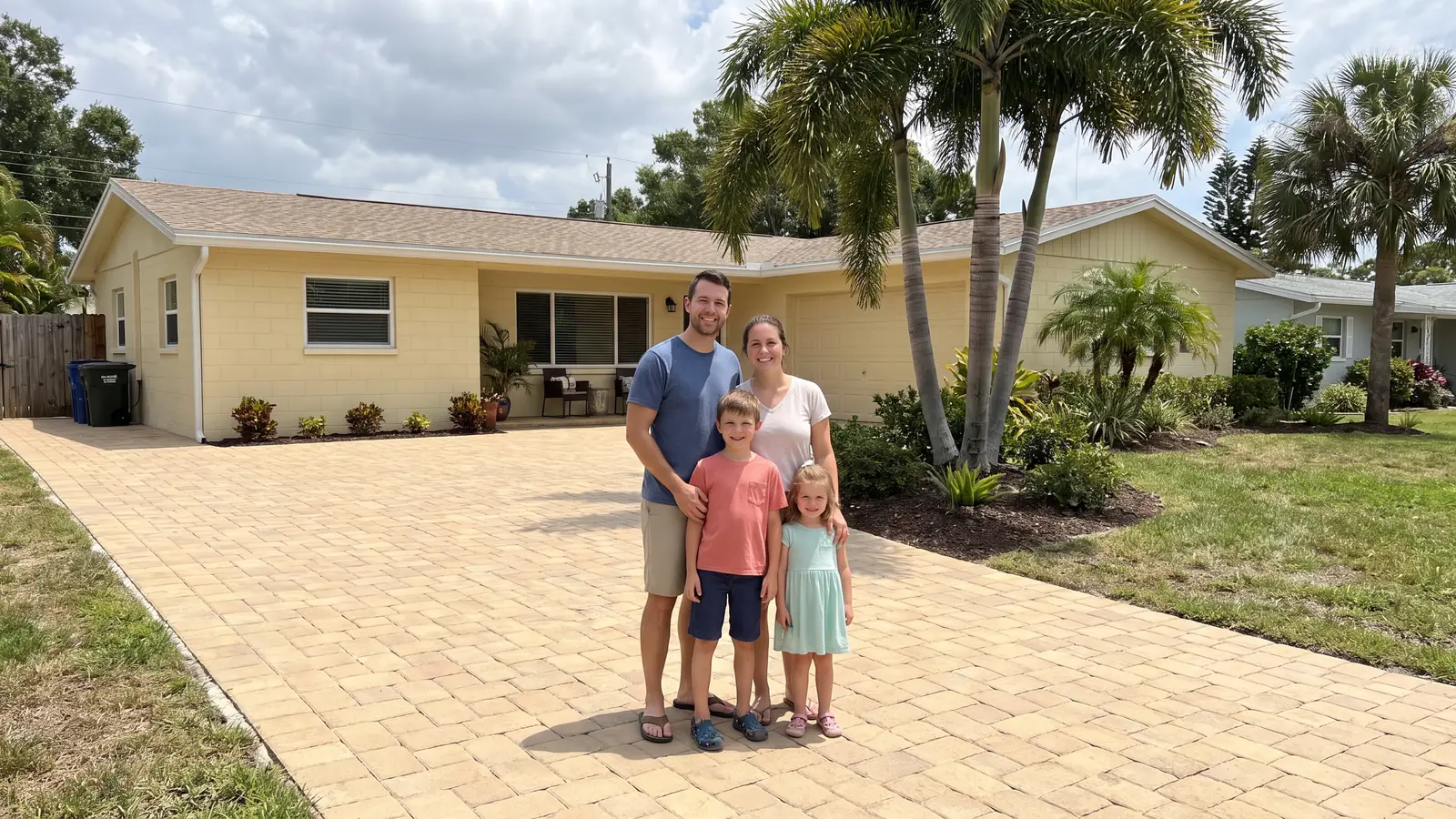
Wash off the film, then refill the joints with sand
Paver Cleaning and Joint Sand in Sandalwood, FL
Call (904) 541-9860 for a free estimate to clean and re-sand your Sandalwood pavers.
- Brings out deeper paver color
- Fresh joint sand helps lock pavers in place
- Gives weeds less room to grow
- Makes the surface easier to keep clean
- Free estimate, no obligation
Request a Free Estimate
Free, no obligation.
Can I get my pavers cleaned in Sandalwood without a long wait?
A local contractor cleans pavers across Sandalwood, FL, and you will hear back within 1 business day, usually much sooner. Fresh joint sand is part of the job, and the free estimate comes with no pressure to book. To start, call (904) 541-9860.
Cleaning lifts the algae, dirt and stains that dull pavers, so the surface looks brighter and grips better underfoot. Fresh sand then goes into the joints to steady the pavers and crowd out weeds. The back patio that went dark over the summer can match the rest of the yard again. Point out the worst spots when you get a free estimate.
Paver Sealing Sandalwood Is Proud to Serve Northeast Florida
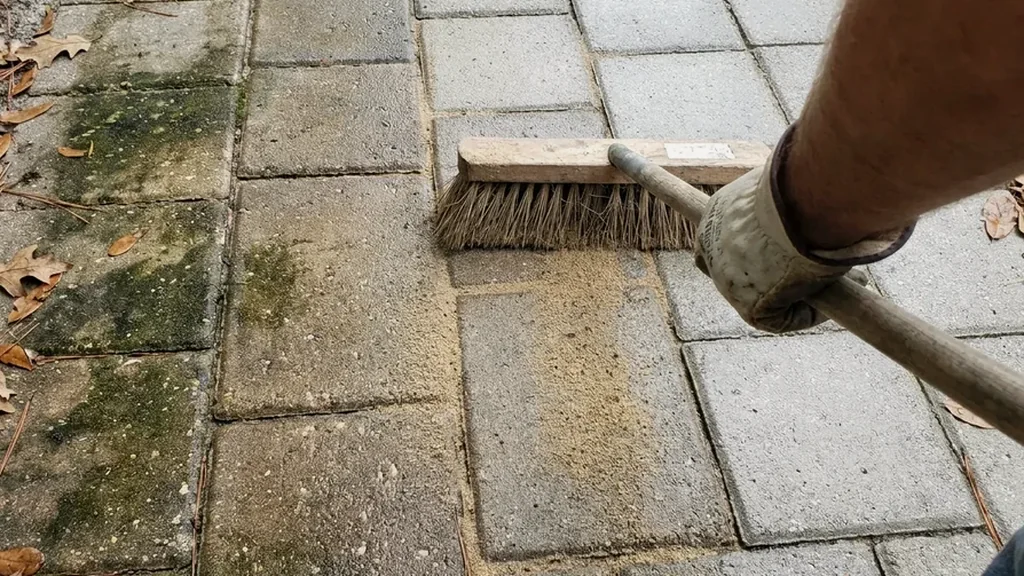
What is part of a paver cleaning job?
Plan on stain care, a gentle wash and new joint sand once the surface dries. Some homeowners book it alone, and others book it as step one of sealing. Shaded corners and spots near sprinkler heads usually need the most time. To line up a cleaning, call (904) 541-9860.
Stain treatment
Western Interlock treats algae with a 50/50 bleach and water rinse left for 15 to 20 minutes, and uses an oil extractor for motor oil.
Controlled wash
A surface cleaner with two rotating heads gives an even pass at under 1,500 PSI without blasting sand out of the joints.
Fresh joint sand
Polymeric sand is swept in dry and misted to set, which Unilock says also resists weeds and makes it harder for ants to get in.
Sealer if you want it
Sealer can go on afterward, once everything is dry. The sealing guide covers what it adds.
What are the signs my pavers need cleaning?
Look for a green or black film along shady edges, dark streaks, weeds in the joints and sand on the driveway after rain. The film is the one to watch on a walk or pool deck, because a slick surface is a fall risk. To have yours looked at, call (904) 541-9860.
What about ants in the joints?
Family Handyman says to treat anthills first and wait at least 24 hours before washing. Polymeric sand also makes the joints harder for ants to enter. Mention any hills when you get a free estimate.
Is cleaning enough, or should I seal my pavers too?
A cleaning fixes how the pavers look now, and a coat of sealer decides how long that look lasts. Stopping at a cleaning costs less today, but algae and fading return on their own schedule. A coat makes the next wash faster and gets renewed every few years. Let the contractor know about the coat when you get a free estimate.
How often should Sandalwood pavers be cleaned?
Most homes do well with one wash a year, and Family Handyman points to spring as the time. Shaded walks and pool decks can need attention sooner, and an open driveway may hold up longer. Wait until the sealer question is settled, because Family Handyman also says to seal only every three to five years. To set a schedule, call (904) 541-9860.
Does more pressure clean pavers better?
No. Western Interlock says to keep pressure under 1,500 PSI and the nozzle at least six inches from the surface. Family Handyman warns that spraying into the joints dislodges the sand, and it starts with a wide 40 degree nozzle tested in a corner. Before you get a free estimate, ask what pressure and nozzle size the crew uses.
The crew's method decides the result as much as the washer does. A surface cleaner held at a steady height gives an even result, and a cleaner matched to each stain does the heavy lifting instead of force. Refilling the joints afterward finishes the job. To go over the plan, call (904) 541-9860.
How long do pavers need to dry before sealing?
A few hours in warm sun or about a day in cool shade, says Unilock, and at least 24 hours after a dedicated paver cleaner. The sand has to be dry and clear of the surface too, since leftover polymeric sand hardens into a haze. Rain in the forecast can move the sealing day. Ask the contractor how a rainy week gets handled when you get a free estimate.
What are the white patches on newer pavers?
A chalky white film is usually efflorescence, salt crystallizing on the stone. Western Interlock treats it with a diluted acid rinsed within three minutes, and Unilock says it can take two to three months or up to a year to fade on its own. Cloudy old sealer can look nearly identical. Point to the spot when you call (904) 541-9860.
Which paved areas can be cleaned at a Sandalwood home?
Every paved area can be cleaned, from the driveway and pool deck to the patio and front walk. Each one gathers its own kind of grime, so the cleaner and the method change from spot to spot. To start with yours, get a free estimate.
Driveways
A driveway carries tires, oil drips and the longest stretch of sun. Cleaning one keeps the color even and the joints full where cars turn.
Pool decks and screened lanais
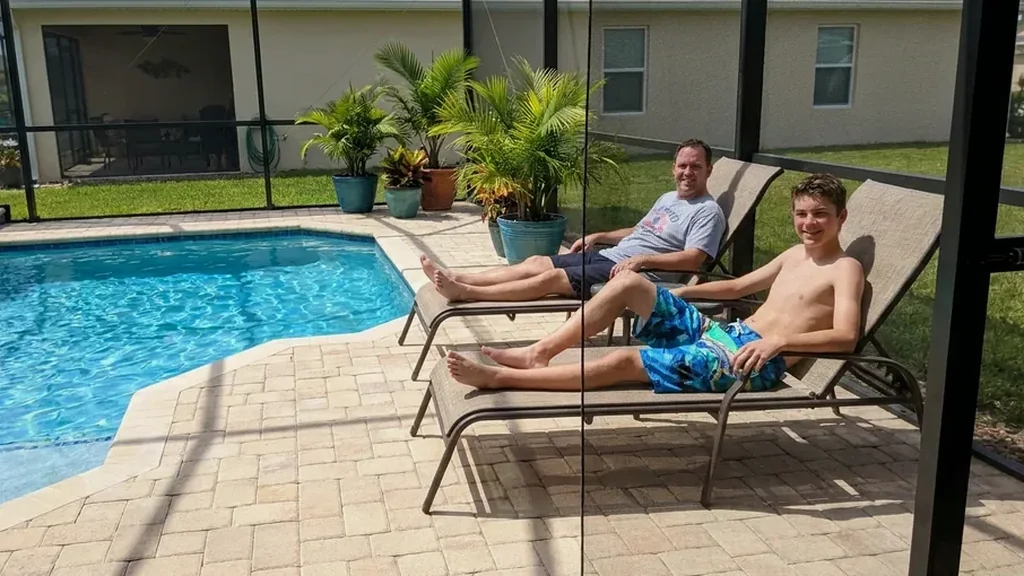
Chlorine, splash and wet feet are hard on pool pavers all year. Cleaning a deck should leave it clean without making it slick.
Back patios
A patio often sits in shade beside a fence or porch, so green growth starts early there. Cleaning a patio puts the focus on the damp corners.
Front walks
Walks sit close to beds, mulch and sprinkler heads. Cleaning the front walk is a small job that every visitor sees first.
What leaves Sandalwood pavers dirty?
Sun fading, green film after wet summers, lost joint sand, orange or oily marks and cloudy old sealer lead the list. A wash handles some of them, and a coat or a repair handles the others. To find out which of these apply to your pavers, call (904) 541-9860.
1. Sun fading
A driveway with no shade gets sun from morning to evening, and plain pavers lose depth of color first there. A wash reveals the color that remains, and a coat after it helps keep that color.
2. Green film after wet summers
The National Weather Service normals for July, August and September at the Jacksonville airport are 6.77, 6.88 and 7.56 inches of rain. Pavers that stay damp in that stretch grow algae in shaded corners.
3. Joint sand lost to storms
A Jacksonville washing company says summer storms wash sand out of pool decks and driveways. Empty joints let pavers shift and give weeds a place to start.
4. Orange or oily marks
Western Interlock, a paver supplier, treats iron stains with a heated washer and a cleaner made for them, and it sells an oil extractor for motor oil. Marks like these need their own treatment before any coat.
5. Cloudy old sealer
Unilock says a whitish film can come from trapped moisture, too much sealer or a new coat over an incompatible old one. Failed sealer is stripped first, not coated over.
What does paver cleaning cost in Sandalwood?
Companies here usually publish one figure for the full job. Safe Touch lists $1.75 to $3.25 per square foot to clean, sand and seal around Jacksonville, and says it sets the price after seeing the joints. A wash alone costs less, but no published Jacksonville figure for it turned up, so ask for it as a separate line. To get one written for your property, get a free estimate.
If you plan to seal as well, ask for one combined price and for the sand to be listed. The table below shows the full job for common sizes. To compare a quote you already have, call (904) 541-9860.
Want the pavers protected too? Read about sealing your pavers, browse the areas covered or return to paver sealing in Sandalwood.
| Paved area | Typical example | Full clean, sand and seal |
|---|---|---|
| 400 sq ft | Back patio | $700 to $1,300 |
| 800 sq ft | Wide driveway | $1,400 to $2,600 |
| 1,200 sq ft | Driveway and front walk | $2,100 to $3,900 |
The last column multiplies the $1.75 to $3.25 per square foot that a Jacksonville washing company published, read in November 2026. A cleaning on its own costs less, so ask for it as a separate line. A larger area can price lower per foot, and your own quote may land elsewhere.
Why use a contractor who works around Sandalwood for cleaning?
A contractor who covers this part of Jacksonville knows what a wet summer and a once a week sprinkler schedule leave behind. Compare the quote with the published rates on this page and take as long as you like. To begin, get a free estimate.
A contractor who works Sandalwood
A company that covers this part of Jacksonville has handled summer downpours and sprinkler schedules on streets like yours. The first visit then starts from experience.
A price you can walk away from
The visit is free and the quote is written down. If the number does not suit you, you thank the contractor and move on.
Published rates to compare
Jacksonville companies post what they charge per square foot, and this site shows that range. A bid far outside it deserves a question.
Your schedule, your decision
Take the quote home and read it. Read the contractor standards page and confirm each item before you sign anything.
Want a free estimate to clean your Sandalwood pavers?
Use the short form or phone, and a contractor writes back within 1 business day, usually much sooner.
Free, no obligation
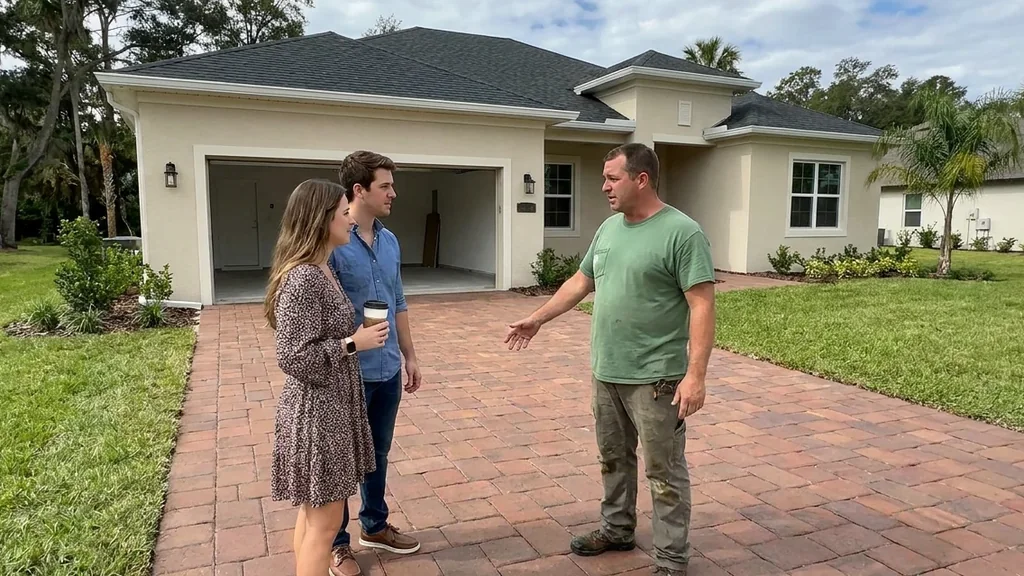
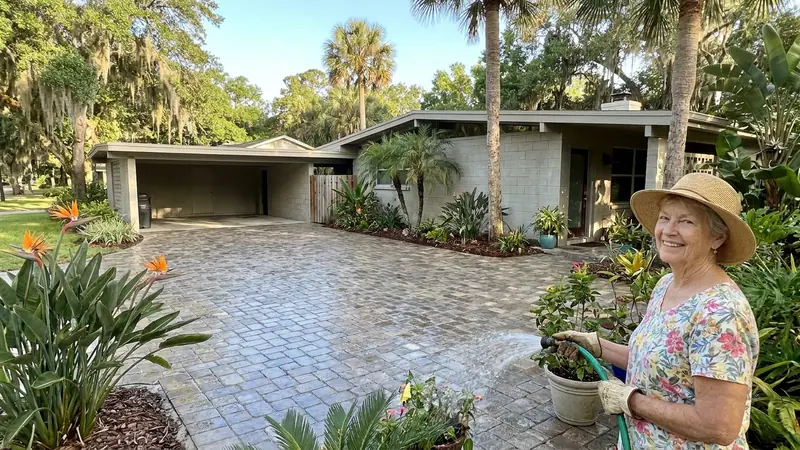
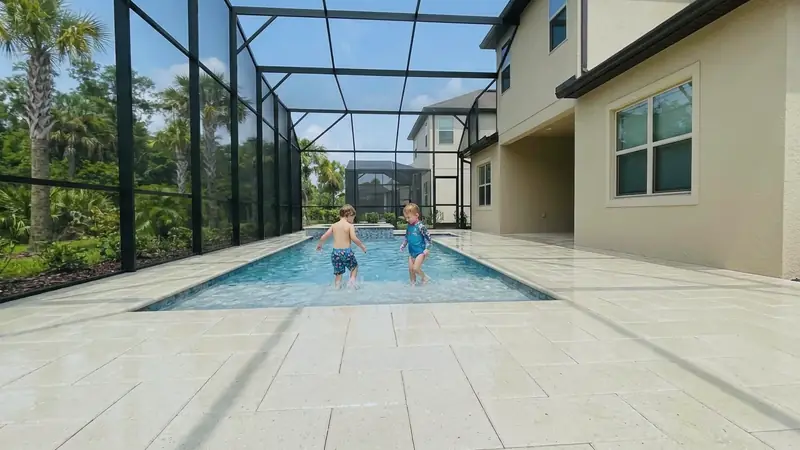
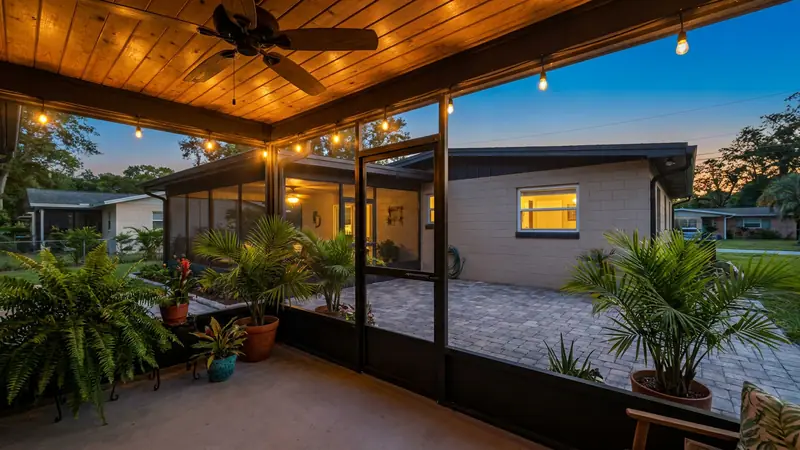
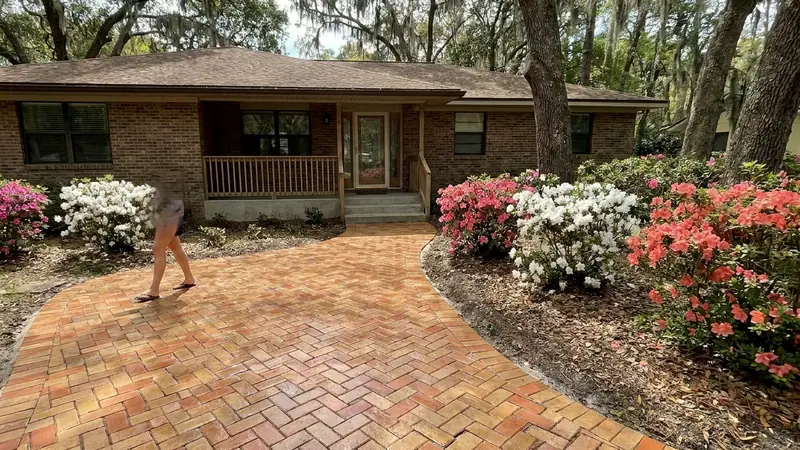
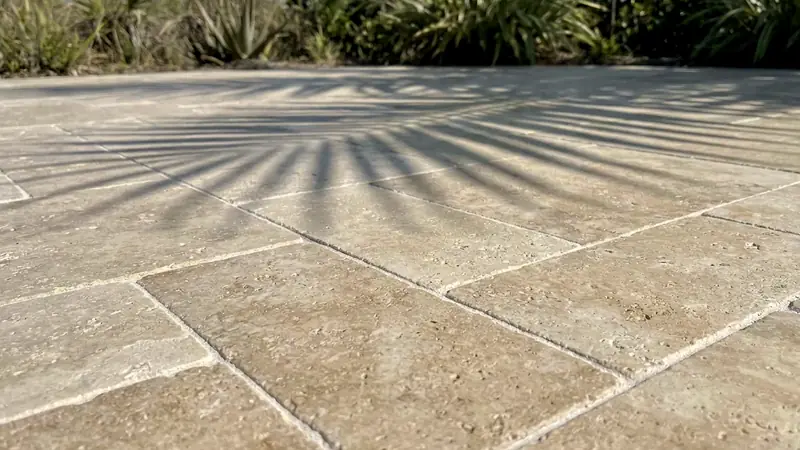
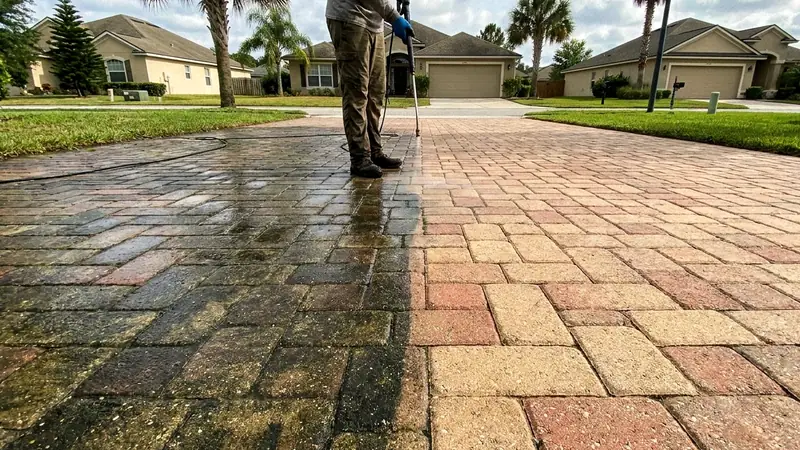
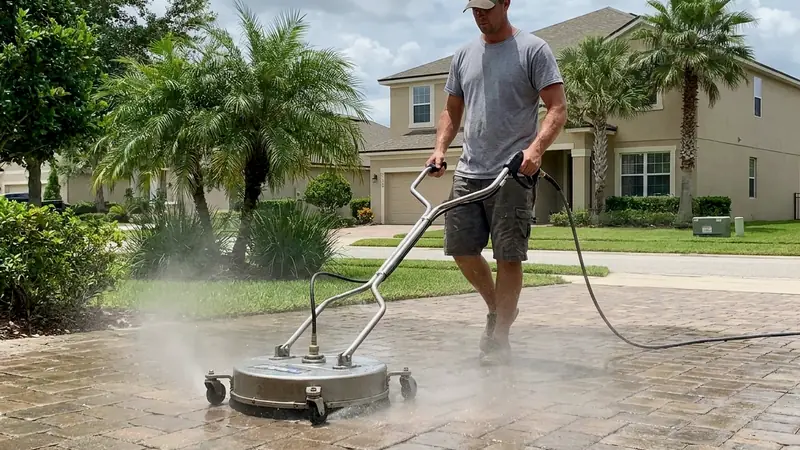
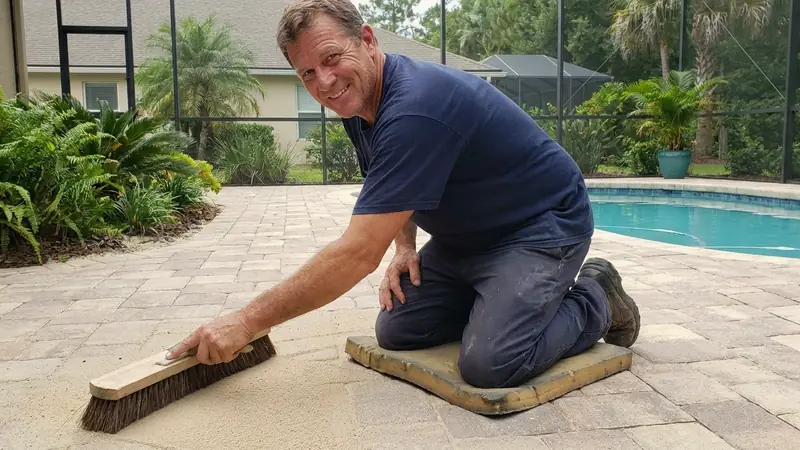
What do cleaned pavers look like in Sandalwood?
How does the paver cleaning process go, step by step?
Without sealer, the visit ends after step four, once the joints are full and dry. To set a date, call (904) 541-9860.
1. Measure and inspect
The contractor measures the area for the cleaning quote and notes sunken spots, cracked pavers, old sealer and any place water stands.
2. Treat and wash
Algae gets a bleach rinse, oil gets an extractor and the surface is washed with a rotary surface cleaner. That tool spins two heads an inch or less above the pavers, with pressure kept under 1,500 PSI.
3. Refill the joints
When the pavers are dry, polymeric sand is swept in and misted with water to activate it. Extra sand is cleared off the surface so it cannot harden into haze.
4. Let it dry
Unilock asks for a few hours in warm sun after a wash, or about a day in cool shade, and clear skies for 24 to 48 hours.
5. Seal and walk it
When sealer is part of the job, a pump sprayer lays it down in one continuous pass and a dry foam roller evens it out. The contractor walks the area with you and explains how long to stay off it.
Frequently Asked Questions
What is the most effective way to clean patio pavers?
Treat the stain first, then wash with a surface cleaner. Western Interlock describes a cleaner with two rotating heads an inch or less above the stone, with pressure kept under 1,500 PSI, and it treats algae with a bleach rinse. Fresh joint sand goes back in once the pavers dry.
Is it a good idea to pressure wash pavers?
Yes, as long as the spray stays gentle and the joints get fresh sand once the wash is done. Family Handyman warns that spraying straight into the joints knocks the sand out. Western Interlock keeps the nozzle at least six inches away, and a contractor tests a small corner first.
How much does it cost to re-sand and seal pavers?
Safe Touch publishes $1.75 to $3.25 per square foot for a clean, sand and seal, so the sand is part of that figure. For a 400 square foot patio that is about $700 to $1,300. Ask that the sand appear as its own line on the quote.
How long does paver sealing last in Florida?
Two to five years is the usual span. Safe Touch calls two to three years typical for Jacksonville, and Unilock says many owners reapply every three to five. Cleaning alone adds no protection, so algae and stains come back on their own schedule.
Why do pavers in Sandalwood turn green after the summer storms?
Rain keeps the surface damp, and damp shade is where algae grows. The National Weather Service counts 6.77 to 7.56 inches a month at the Jacksonville airport from July to September. A bleach rinse and a wash clear it, and sealing makes the next round easier to rinse.
Do Sandalwood's watering limits change what leaves marks on my pavers?
They can. Duval County held lawn watering to one day a week under a water shortage order in 2026. One heavy weekly soaking at the same spot can leave a stain line at the paver edge, so ask the contractor to note where each sprinkler head lands.
Why are white patches showing on my newer pavers?
Newer pavers that look dusty and white usually have efflorescence, which is natural salt rising out of the concrete. Western Interlock calls it salt crystallization, and Unilock says it can take two to three months or up to a year to fade. It has to clear before sealing.
How long should pavers dry after cleaning before sealing?
A few hours in warm sun or about a day in cool shade, according to Unilock, and at least 24 hours after a paver cleaner. Rain in the forecast can push the sealing day back, which is why the two stages are often scheduled apart.