
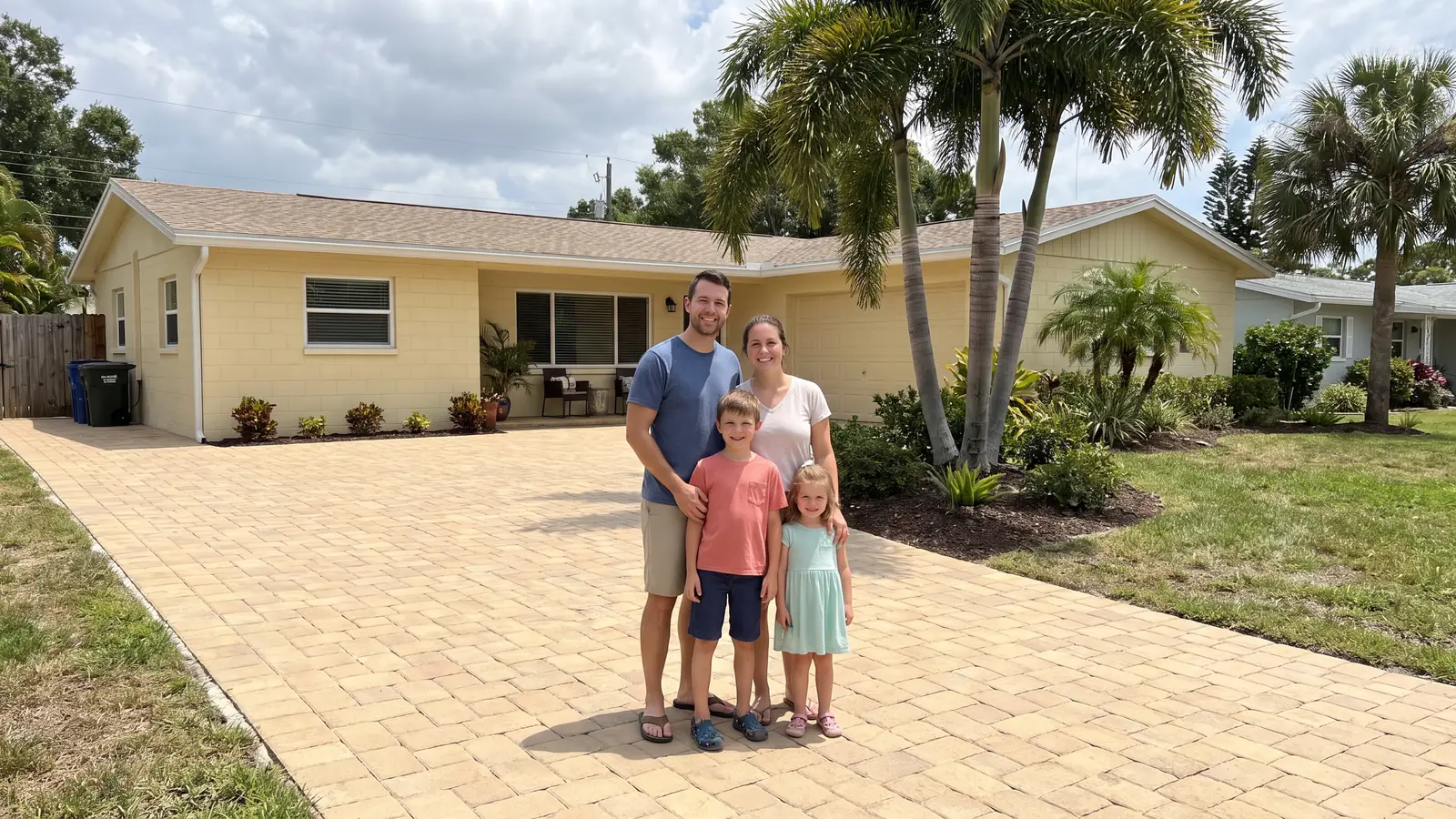
Paver sealing for Panama Park homes
Paver Sealing in Panama Park, FL
Near the Trout River and Main Street, Panama Park pavers can look new again, so call (904) 541-9860 for a quote.
- Brings out deeper paver color
- Fresh joint sand helps lock pavers in place
- Gives weeds less room to grow
- Makes the surface easier to keep clean
- Free estimate, no obligation
Request a Free Estimate
Free, no obligation.
Fast, careful paver sealing in Panama Park
Paver sealing in Panama Park is a short phone call away, and the estimate is free. From the Main Street area to the river, a local contractor washes, re-sands and seals drives, walks and patios. Dial (904) 541-9860 and a reply follows within 1 business day, usually much sooner.
Think of the front walk that used to be a clean, even tan, the one guests use first. Now the joints are green, a few weeds poke through and the color has gone chalky. A wash, fresh sand and a new coat bring that surface back, and you can get a free estimate to see what it would cost.
Why hire a local paver sealing contractor in Panama Park?
Panama Park sits near the Trout River and has homes from many different decades, so each job starts with a look at the lot, the age of the pavers and the history of the water. To set up that look, call (904) 541-9860.
Free to look, free to ask
A local contractor will stand in your Panama Park yard, measure up and quote the job, and explain each stage in plain words. Asking costs nothing and carries no strings. A reply comes within 1 business day.
A range to compare
The pricing section below gives the published per-square-foot range, so you can test any Panama Park bid against a real number.
Lots from the 1910s on
Panama Park lots date from 1910 onward, so a good contractor looks for old sealer, settled spots and flood marks before naming a number. George Clark began selling lots in 1910.
You choose the look
Pick matte or a wet look, and pick the week. Nothing binds you after the estimate, and word comes back within 1 business day, usually much sooner.
Get Your Free Estimate in Panama Park
Tell us about your pavers in Panama Park.
Free, no obligation
What paver problems show up most in Panama Park?
Flooding from the Trout River
Many homes along the Trout River were damaged when the river overflowed during Hurricane Nicole in November 2022, on a Thursday morning, as local news reported. The lower river is brackish, so water that reached pavers was not plain rain. Silt and salt-tinged residue can settle on the surface and in the joints. All of it has to be washed away before sealing, since sealer would trap it. The river is 0.6 miles across near the St. Johns, so a big storm gives it a lot of water to push. A walk that stayed wet for days may also grow green film faster, which is one more thing to wash off, and it can darken the joints too. If your street took water, tell the contractor when it happened and how deep it got. The Trout River runs 20 miles and widens to 0.6 miles near the St. Johns, so Panama Park sits close to a lot of open water. Pearl Court and North Shore are among the nearby places listed on the local map.
Weeds in the seams
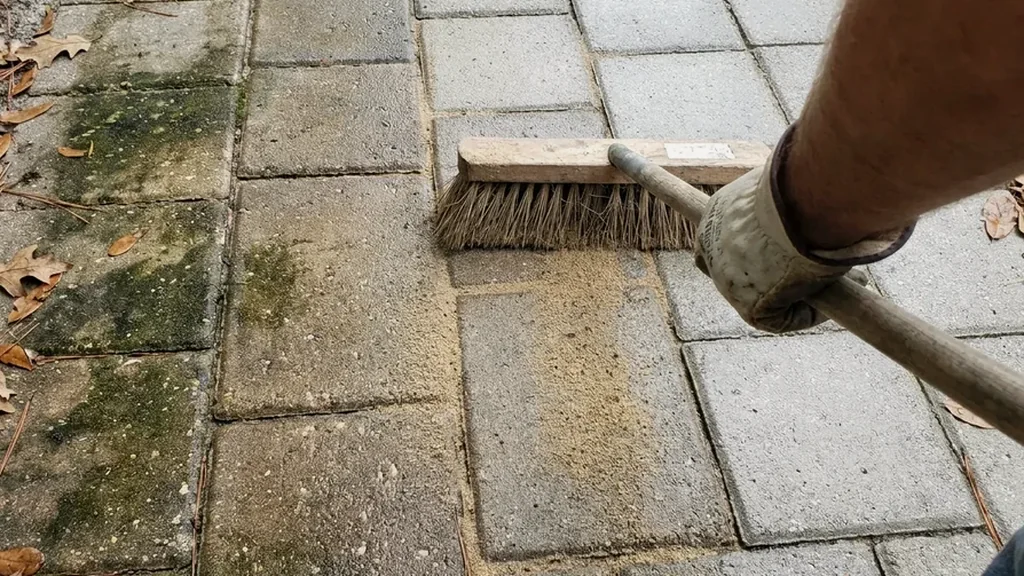
Weeds root where joint sand has gone. Landscape Ontario says weed growth is best prevented by stabilizing joint sand with a sealer, and that lost sand widens joints. A Panama Park walk laid decades ago has had many summers of rain to pull sand out. Pulling weeds helps for a month. Fresh sand under a coat helps much longer. A weedy joint on a Panama Park walk often means the sand left years ago, not last week.
Unknown coats on older lots
George Clark began selling Panama Park lots in 1910, and houses here range from that era to newer builds. A paver walk may have been sealed by someone years ago with a product nobody wrote down. No water-based sealer can go on top of a solvent-based one. First the contractor learns what is already on the surface. Peeling or patchy sealer hints that the old product needs a closer look. Ask neighbors or past owners if anyone kept a receipt. Lots sold from 1910 on, so some pavers are far younger than the houses behind them, and the two can have different histories. ZIP 32208 counted 33,286 residents in 2020, and many of those homes have changed hands since the pavers went in.
Brick next door
A Metro Jacksonville tour says most homes in the area south of Panama Park are brick. Rinse water and cleaners run toward brick, so the wash is aimed away from it. Where pavers meet a brick step or wall, the edge gets hand work. Tell the contractor if your pavers touch brick. Brick and pavers need different care, so the contractor decides what touches what before the wash starts.
Shade from mature trees
Buffalo Park began as a three-acre, tree-covered tract, and if mature trees shade your Panama Park yard, the pavers feel it. Moss and algae grow on pavers only where shade is heavy and the surface stays damp. A walk under a thick canopy fits that, and treatments do little where the surface stays damp. Expect extra washing there, and ask how fast the green may return. Walk the yard at midday to see where the sun never lands, and mention those spots at the first visit. A canopy can also drop leaves that stain, so ask about both.
What is it like to seal pavers where a neighborhood grew around a railroad depot?
It means the lots do not follow one pattern. Railroad suburbs tended to form in pockets around stations, and George Clark began selling Panama Park lots around the depot in 1910, after the first plat of 1879. A later house, a rebuilt driveway and an older walk can sit on the same block. Tell the contractor what your lot looks like when you get a free estimate.
Panama Park sits close to Pearl Court, Phoenix Park, North Shore, Talleyrand, Norwood and Brentwood. A Metro Jacksonville tour says most homes in the area south of Panama Park are brick, and that Evergreen Avenue was once the neighborhood's commercial center. Brick walls and pavers need care with rinse water, so say what your house is made of. Call (904) 541-9860 and describe it.
The park on Buffalo Avenue is a handy landmark to name when you call, since it began with ten acres the city bought in 1929. A major improvement there finished in 2003. Walks near mature trees stay shaded and damp, and shade invites green film. For a quote that accounts for it, get a free estimate.
What does paver sealing cost in Panama Park?
Panama Park prices follow area. On Northeast Florida company sites you will find $1.75 to $3.25 per square foot to clean, sand and seal. Sand loss, green film and old sealer decide whether a job sits at the low or the high end. Measuring is part of the free estimate, so to get your number, get a free estimate.
On site, the lot decides. A wide, open driveway moves along, while a walk wedged beside a fence calls for hand work, and sunken spots are fixed before sealing, which can add a day or more depending on how many there are. Dial (904) 541-9860 and the contractor can tell you which of these fit your house.
| Paved area | Typical example | Clean, sand and seal |
|---|---|---|
| 300 sq ft | Small patio or walkway | $525 to $975 |
| 600 sq ft | Two car driveway | $1,050 to $1,950 |
| 1,000 sq ft | Large driveway or pool deck | $1,750 to $3,250 |
| 1,500 sq ft | Driveway plus pool deck | $2,625 to $4,875 |
Math based on the $1.75 to $3.25 per square foot that Northeast Florida paver companies published as of November 2026. Your contractor sets the actual price after seeing the surface. Repairs, leveling and stripping failed sealer are usually extra.
How does a paver sealing job work in Panama Park?
A walk around, with questions
The contractor walks the property with you, measuring and noting where shade falls. Dips, lifted edges and stains go on a list, and so does the question of whether the house has ever flooded, since Hurricane Nicole put water into homes along the Trout River. Earlier sealing needs a name, because a solvent-based coat rules out a water-based one. Low spots are repaired first. A few photos from your phone, plus any receipts, make the first visit faster. Give the contractor your street and the nearest cross street, so the visit is easy to find.
Washing off grime and silt
Dirt, green film, rust and any film left by river or storm water come off in the wash. Weeds and debris are pulled from the joints. Water is aimed away from house walls, plants and brick, which matters beside older homes. Bare pavers are what sealer grips best. Stubborn marks get a second pass before the sand goes in.
New sand in the seams
The wash takes the sand with it, so fresh sand is brushed in and the surface swept. Jacksonville gets about 52 inches of rain in a year, which is why full joints matter. They keep soil out, and they stop weeds from coming straight back. Joints that have sat low for years can make this stage run longer than most people expect. A sweep clears loose grit before the coat.
Time to dry
Sealer is laid on a dry surface, since a wet look coat on damp pavers can turn cloudy white, according to a Jacksonville company. After a river flood or a summer storm the ground can stay wet for days, and a shaded walk dries last. The job waits for a clear stretch. A short wait beats redoing a cloudy coat.
Seal, then stay off
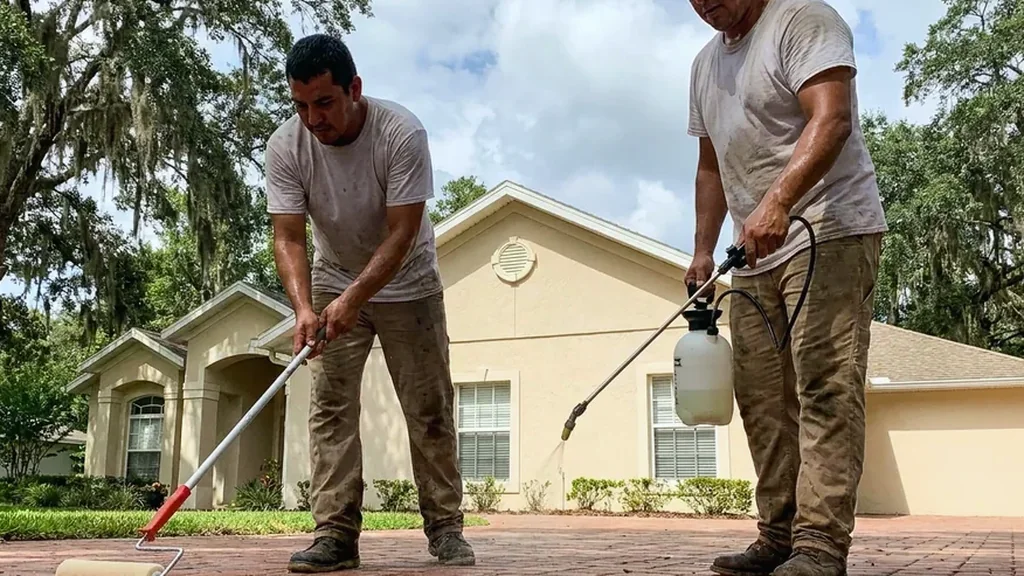
Now the coat is applied, matte or wet look as you decided, typically sprayed and then back-rolled, a Jacksonville company says. Count on two to five years before the next coat. Walking comes back within hours, while cars wait about a day. Ask for the exact time that fits your sealer and that week's forecast.
Complete paver services in Panama Park
Panama Park work goes in a fixed order: wash, re-sand, dry, seal. River silt, green film, dirt and rust come off first, and fresh sand goes in before the coat so nothing dirty is trapped. For the timing of each stage at your house, call (904) 541-9860.
Picture the surfaces at a typical Panama Park house: a drive, a front walk, maybe a back patio. Tires and street water hit the first, footprints and shade the second, chairs and sun the third. Tell the contractor which you have when you get a free estimate, and each is measured on its own.
Two questions pick the sealer: what is on the pavers now, and what finish do you want? A solvent-based coat means no water-based product can follow, so the first answer decides the second. Matte or wet look comes last, and a wet look shows scuffs sooner on a busy drive. To talk it through, call (904) 541-9860.
Weather is the wild card, since summer storms are fast and heavy and the Trout River can rise in a big one. Low lots may stay wet long after the rain stops, and a few extra days is normal after a flood. The contractor may ask to see the low end of your drive before setting a date. For a date that fits, get a free estimate.
Questions to ask before you hire
- Who will be working at my house on the day of the job?
- What will you need from me that day, such as a hose, an outlet or an open gate?
- Will the sealed pavers turn slick when they get wet around the pool?
- What can be done about the white powder that keeps rising out of my newer pavers?
- Will the sealer bring back some of the color my pavers have lost?
- Will you rinse the sand off my driveway edges and walkways before you leave?
- Will you come look at my pavers in person before you give me a price?
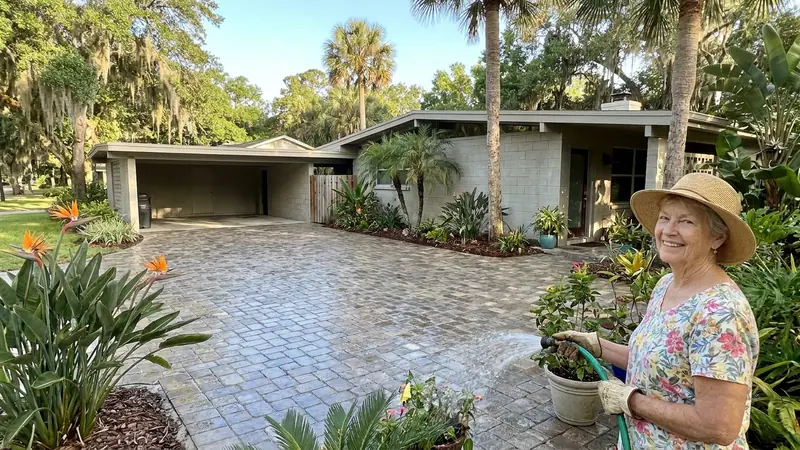
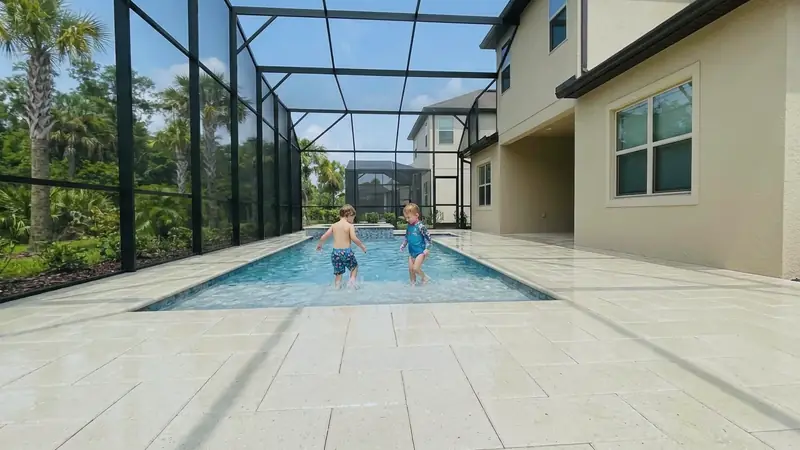
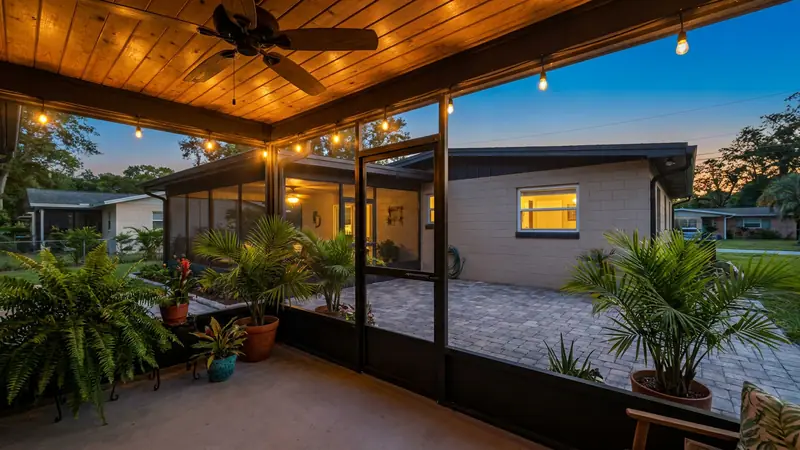
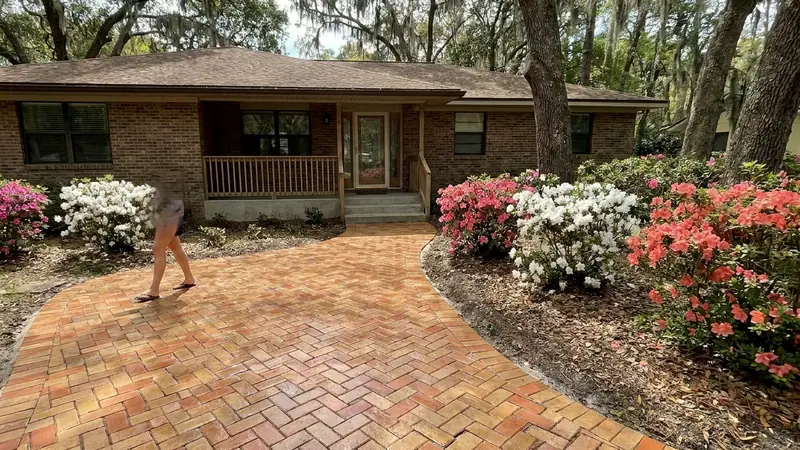
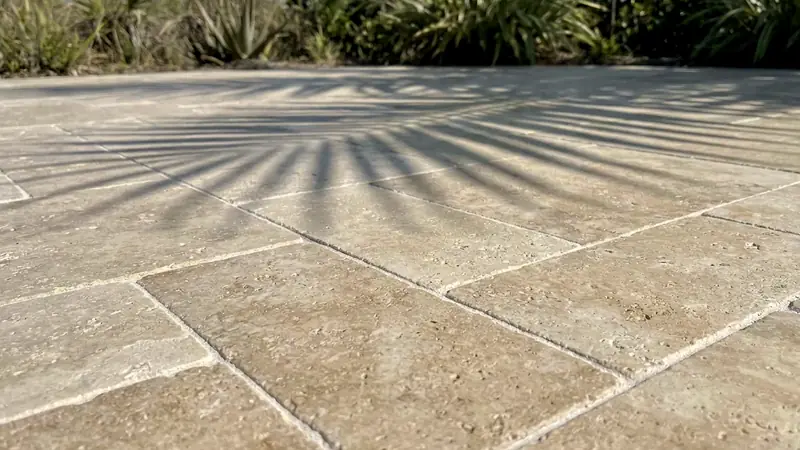
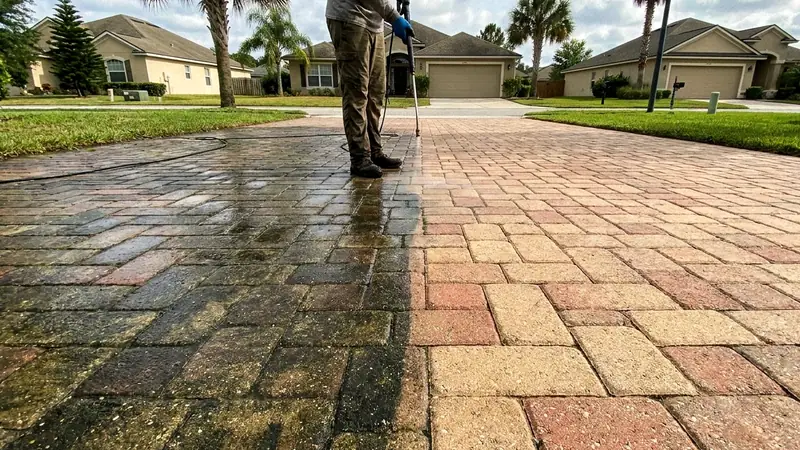
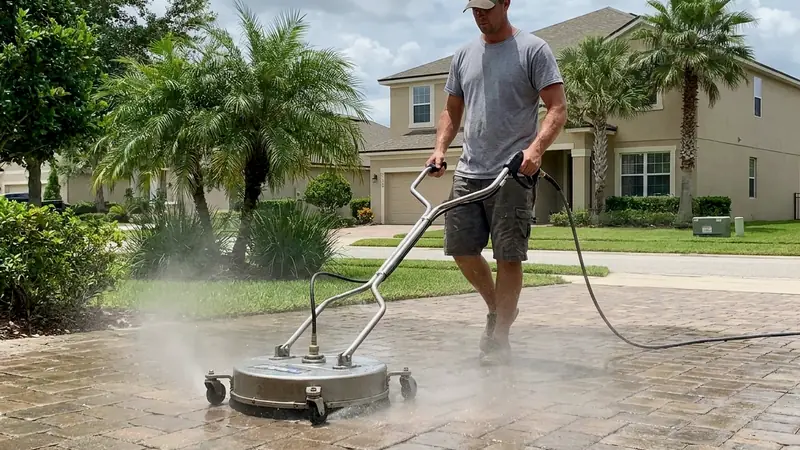
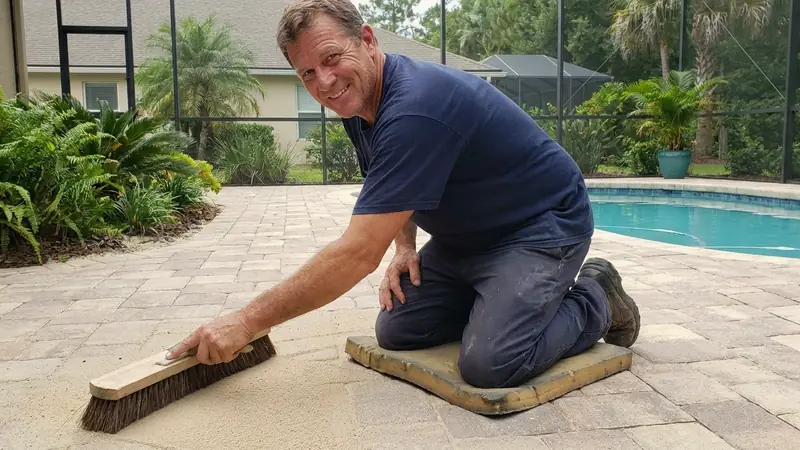
What do sealed pavers look like around Panama Park?
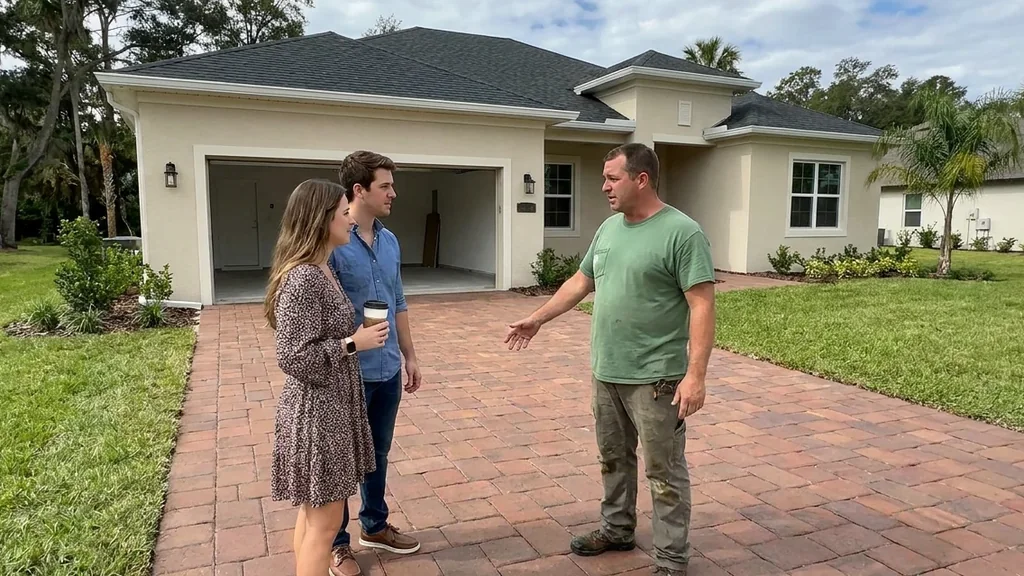
Why local matters in Panama Park
A contractor who works Panama Park knows the neighborhood grew around a rail depot, and that lots from 1910 on can hold pavers of any age. The river is the other fact, since the Trout River widens to 0.6 miles near the St. Johns and floods matter here. To reach a contractor who serves Panama Park, call (904) 541-9860.
Housing matters just as much as water does. Lots here run from 1910s plots to newer builds, and brick homes sit south of Panama Park. A local contractor adjusts from rinse water to old coats for each one. You can get a free estimate and note your home's age.
Timing comes from experience. Rain here arrives fast, and low ground near the Trout River stays wet. Someone who works this area plans spare days for it. For word on how a delay is handled, get a free estimate.
Why does Panama Park's railroad history matter for a paver job?
It matters because the neighborhood grew in pockets around the depot, so no two streets match, and a contractor who knows that expects variety. Charles Sibbald started a sawmill nearby in 1828, and Farquhar Bethune opened a brick kiln at Panama Park, with a rail depot following in 1880. Cummer Lumber arrived in 1896 and became a big employer. If your home is near the old depot, get a free estimate.
Lola M. Culver Elementary opened in 1916 with terracotta eagles on two towers, a Henry Klutho design, and it is a good landmark to name when you call. Panama Park's Main Street was the northern gateway to Jacksonville before Interstate 95, and North Main Street still has longtime businesses. The park at 6912 Buffalo Avenue and the Trout River give you more landmarks to name, so call (904) 541-9860 and say where you live, or which cross street is closest.
Frequently Asked Questions
Why is paver sealing so expensive in Panama Park?
Because the work is more than a coat. Prep, joint sand and careful application are all in the quote, and the price range is spelled out in the pricing section above. Ask that the quote list the area, so you can compare bids from more than one company. Ask what the price includes before you agree. The estimate is free, and the contractor measures the area for you.
What is a good water-based paver sealer for Panama Park homes?
Start with what is on the pavers today and what finish you want, then ask the contractor to name the product. Water-based types cannot go over a solvent-based coat, so the old product shapes your options. Write the name down for the next round. A photo of the label is the easiest record to keep.
How long does paver sealing last in Panama Park?
Two to five years is the span you will hear from companies, and a shaded, busy lot sits near the short end. Heavy summer rain and tires wear a coat faster. Water poured on a sealed paver tells the story, a Jacksonville company says: if it beads, the coat is good, and if it darkens the paver, the coat is gone.
How much does it cost to re-sand and seal pavers in Panama Park?
Re-sanding is built into the clean, sand and seal price, so you will not see it as a separate fee. Your total comes down to area, lost sand, green film and old sealer, each checked at the visit. The estimate is free and shows your number.
Can flood water from the Trout River hurt my pavers?
It can leave a film on them, and the film can hide in the joints. Many homes along the Trout River were damaged by Hurricane Nicole in 2022, and the lower river is brackish, so the water is not plain rain. Silt and residue are washed off first, and the joints are refilled with sand before sealing. If your street took water, say so, and mention how long the water stayed. Dry days matter after a flood, so the contractor may wait a few extra days. The Trout River is brackish in its lower stretch, which is another reason to wash well.
Does the age of a Panama Park home change how long a job takes?
It can. Lots here date from 1910 onward, so a walk may hold decades of wear, an unknown coat or both. The contractor checks for those at the visit, and repairs come first. Photos and receipts speed that up.
Can new sealer go over old sealer on my pavers?
Sometimes. If the old coat is solvent-based, a water-based product is ruled out. Paperwork from a past owner can answer it, and a peeling or patchy coat is a clue. A small test on the surface can confirm. The contractor can also test a small patch before choosing a product.
When can I drive on a newly sealed Panama Park driveway?
Walk on it in a few hours and drive on it about a day later, a Jacksonville company says. Your sealer and the forecast set the exact time, so get it from the contractor. Use the street or the garage that night.
Nearby areas we serve
Ready for a Free Estimate in Panama Park?
Call (904) 541-9860 and tell us about your pavers.
Free, no obligation